A roof overlay places new roofing over existing material, so approval should depend on more than appearance or a promise of less disruption. Before accepting a proposal, ask how the contractor identified the existing layers, evaluated roof condition and moisture concerns, and checked whether the proposed assembly is suitable. In San Rafael, a useful written scope also explains what happens if concealed damage appears and how the overlay compares with removal and replacement.
What an overlay changes—and what it does not
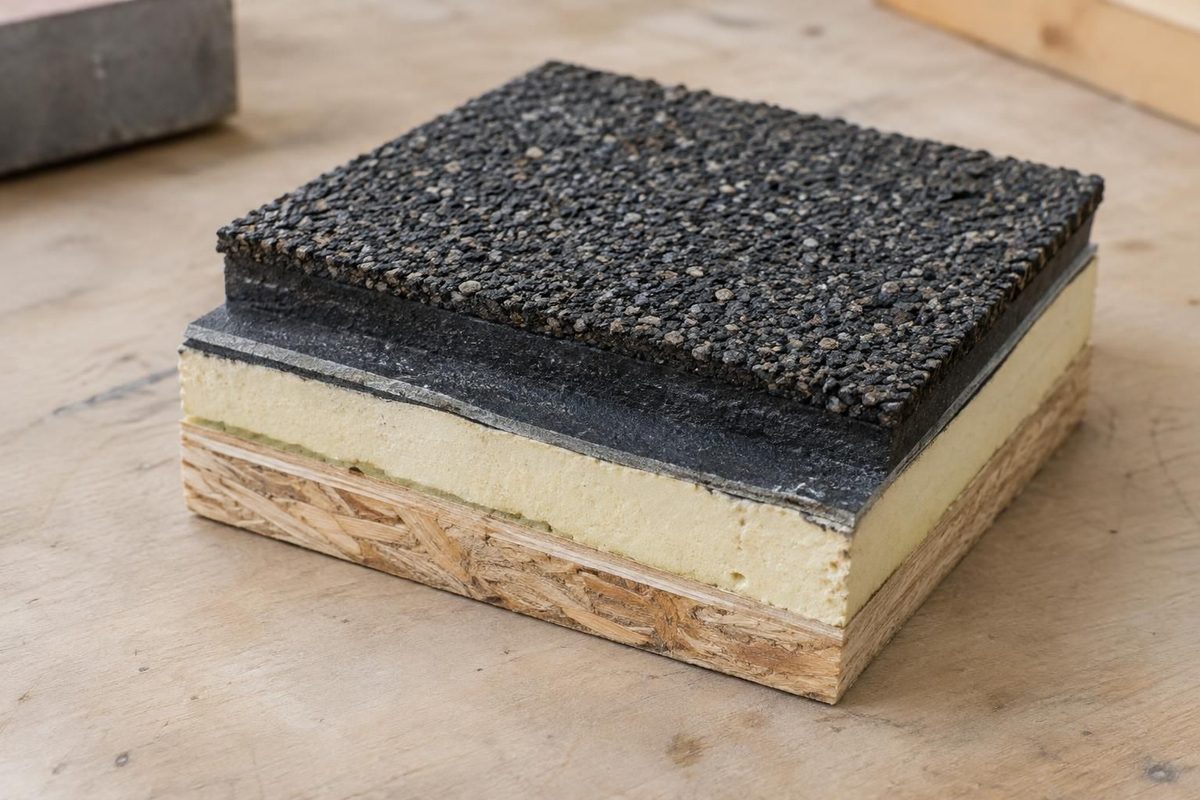
An overlay installs new roofing over an existing roof rather than removing all existing roofing first. It can avoid some tear-off work, but it also leaves earlier materials in place and adds weight and thickness. That may affect roof edges, transitions, vents and other details that must meet the finished surface.
An overlay is not automatically a shortcut or automatically unsuitable. The decision depends on the existing assembly, its condition, the proposed material and whether the resulting system is allowed by manufacturer instructions and applicable requirements. For a San Rafael property, the proposal should explain why this specific roof qualifies rather than rely on a general claim that overlays are faster or less disruptive.
Ask what is actually on the roof
Before agreeing, ask the roofer to identify the existing roofing type and number of layers, and explain how they determined that. Older repairs or partial replacements can make the roof assembly less obvious than it appears from the ground. A proposal should distinguish observed facts from assumptions.
Ask whether the roof has been checked for signs that the existing materials are loose, deteriorated, uneven or otherwise poor support for another layer. A new covering cannot correct a weak or unsuitable base simply by concealing it. Request an explanation of any inaccessible areas or inspection limits that affect confidence in the recommendation.
Understand how moisture and concealed damage are handled
Water can enter at one location and travel before showing indoors, so an interior stain alone does not establish the condition of the entire roof assembly. In Marin County, periods of winter rain and wind-driven moisture can make water management important, but exposure varies by building and roof configuration.
Ask what evidence suggests moisture is present, what areas can be evaluated before work begins, and how the contractor would address suspect decking or other concealed damage. Clarify whether the proposed scope includes removing wet or deteriorated material if discovered, or whether that would require a documented change and your approval. Avoid accepting vague language that leaves responsibility and cost decisions unclear.
Check the system details that an added layer affects
Additional thickness can change how roofing meets edges, walls, vents, skylights, chimneys and drainage components. Ask which transitions are included in the scope and whether any existing flashing or accessories need adjustment or replacement. A proposal that names only the new surface may not describe the full assembly.
The roofer should explain how the selected system will be installed over the existing material, including compatibility and manufacturer instructions. Suitability also depends on applicable local requirements; do not rely on a broad statement that overlays are permitted everywhere. If the answer depends on a requirement, confirm it with the local building department or relevant professional before signing.
Compare overlay and tear-off as different scopes
Request a clear comparison with removal and replacement, not just a single overlay price or a general preference. The comparison should explain what each option addresses, which existing materials remain, how concealed conditions would be handled, and what related edge or penetration work is included. Ask what limitations remain with each approach.
A small, localized defect may call for a repair or further assessment rather than either full overlay or replacement. Conversely, widespread deterioration or an unsuitable base may make covering the existing roof a poor fit. A qualified roofer should connect the recommendation to observed conditions and explain what information is still uncertain, rather than diagnose the whole roof from one symptom.
Make the approval decision with clear contingencies
Before authorizing work, ensure the written scope says what will be installed, what existing materials remain, how affected details will be treated, and what happens if removal or further evaluation reveals a problem. Confirm how additional work is described, priced and approved before it proceeds; do not assume those terms from a verbal conversation.
If the proposal does not identify the existing layers, explain its basis for recommending an overlay, or describe how moisture and concealed damage would be handled, ask for clarification or another assessment. For serious damage, sagging, or an electrical hazard near water, keep people away and seek appropriate emergency or professional assistance.
Before accepting an overlay proposal
- Ask what roofing layers and materials are present, and how they were identified.
- Request the condition evidence behind the recommendation, including any limits on what could be seen.
- Clarify how moisture concerns and potentially damaged decking or other components would be assessed.
- Ask what the proposal includes if concealed damage is found, and how added work would be approved.
- Confirm how the contractor will verify that an overlay is suitable under manufacturer instructions and applicable local requirements.
- Compare the overlay scope with a removal-and-replacement option, including what each would leave unresolved.
Questions about this approach
Does an interior water stain mean an overlay is a bad choice?
Not necessarily. A stain shows that water reached an interior surface, but it does not reveal the full condition or location of the roof assembly. Ask how the contractor will assess the suspected area and whether moisture or damaged materials could remain concealed.
Who can confirm whether an overlay is allowed for my roof?
Ask the roofer to explain the basis for the recommendation and identify any relevant manufacturer instructions or local requirements. Where a requirement needs confirmation, check with the local building department or a qualified professional rather than relying on a blanket claim.
Should I consider a repair instead of an overlay?
Possibly. A repair or additional assessment may be more appropriate when the issue is localized or the available information does not support a broader scope. Ask what evidence justifies replacing or covering the full roof and what uncertainty remains.
For help applying this approach, explore our roof replacement in San Rafael.
Talk with Able Roofing about your roof
Share the symptoms, property details and questions you want answered. Request a roofing estimate, email jon@ableroofing.biz, or call (415) 786-7308.