
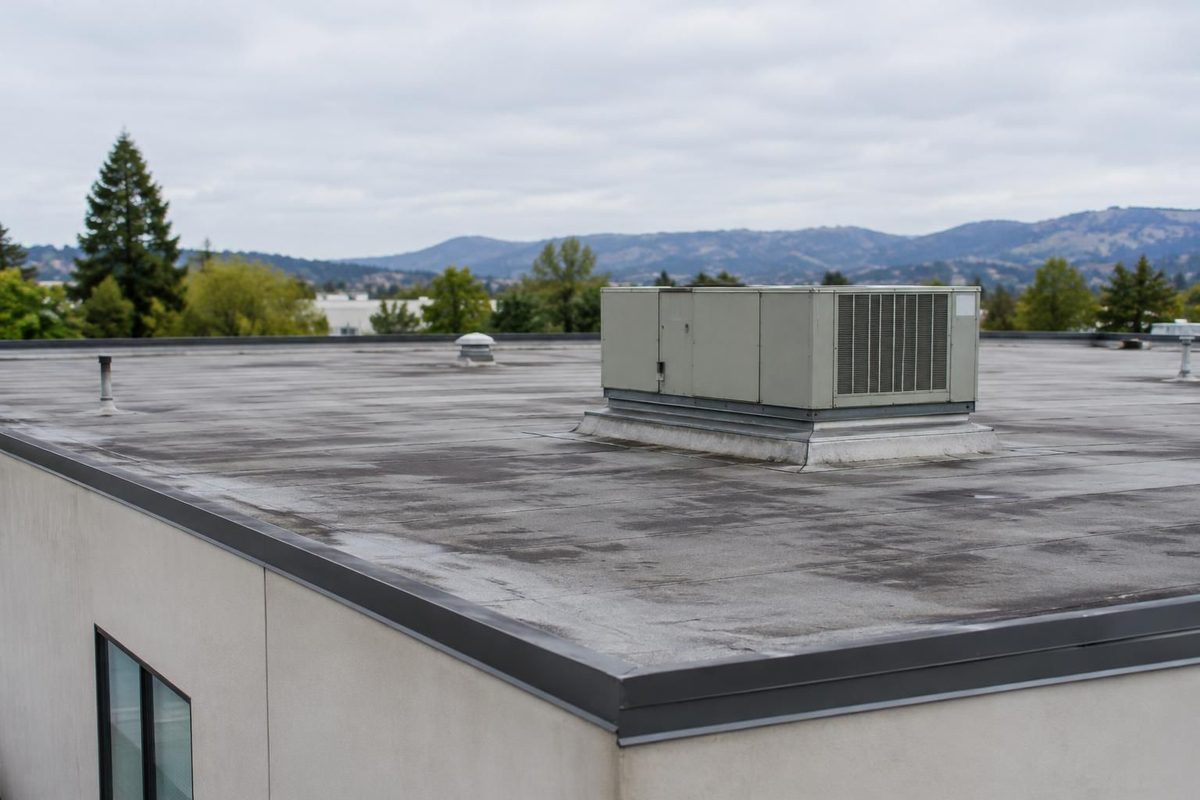
After satellite, HVAC, or other rooftop work, note what was accessed and when, then record any new visible changes or indoor moisture from safe locations. Timing can help a roofer target an assessment, but it does not prove the work caused a leak. Share the work details, photos, and symptom timeline; a qualified roofer can evaluate the relevant roof area and decide whether a focused repair or broader investigation is warranted.
Why a recent visit is useful context, not proof
A new leak or visible change after rooftop work deserves attention, but timing alone does not establish what caused it. Water can enter at one point and show up elsewhere, and a symptom may also come from an existing weakness or another building system.
In San Rafael, winter rain and wind-driven moisture can make a small opening more noticeable. On some properties, shade or debris may also affect drying and visibility. A roofer will need to consider the roof’s condition and the work performed rather than infer a cause from the calendar.
Gather a clear account of the work
Write down when the contractor arrived, what equipment they serviced or installed, and any roof area they said they accessed. Keep a work order, email, or equipment description if one is available. Ask the other contractor for details if you are unsure whether anyone went onto the roof.
The useful details are practical: whether equipment was moved, a new line or support was added, an existing penetration was disturbed, or access was limited. Do not assume that work involved the roof merely because the equipment serves the building.
Record changes from safe viewpoints
From the ground, note visible changes such as a shifted-looking component, loose material, or debris near the work area, but do not try to confirm a suspected defect by climbing or reaching onto the roof. A ground-level view may not show small details or the full condition of a roof junction.
Indoors, record when a stain, damp area, odor, or drip first appeared and whether it changes during rain or equipment operation. Photograph the area from a safe position. Avoid touching wet electrical fixtures or equipment; if water is near an electrical hazard, keep away and contact an appropriate professional.
Help the roofer focus the assessment
When arranging an inspection, share the work timeline and point out the equipment or roof area involved as best you can. Ask the roofer to assess the relevant penetrations and surrounding roof assembly, along with nearby transitions that could also admit water. A penetration is any point where an item passes through the roof surface, such as a vent or pipe.
A qualified roofer may consider the roof material, flashing, seals, support or curb, drainage, and signs of disturbance. The exact review depends on the roof type and access. If the suspected area is not safely accessible, ask what additional access or coordination is needed rather than attempting it yourself.
Choose a response proportionate to the findings
If the roof is otherwise serviceable and an isolated defect is found, a targeted repair or further assessment may be more appropriate than replacement. Conversely, multiple signs of deterioration or a broader assembly problem may lead the roofer to discuss more extensive work. One symptom after a contractor visit is not enough to determine the scope.
Ask what evidence supports the proposed work, what remains uncertain, and whether the concern is limited to the recent work area. If a repair is recommended, clarify what it addresses and whether a follow-up observation is warranted. For an active leak, explain whether water is entering now and ask what safe protective steps are appropriate.
Prepare for the appointment
A concise timeline and a few useful observations can make an appointment more productive without turning the homeowner into an inspector. Keep photos labeled by date and viewpoint, and distinguish what you observed from what you suspect. Do not enter an unsafe attic or disturb a ceiling to look for water.
If a ceiling is sagging, keep people clear and seek prompt professional assistance; do not puncture it. For significant damage or immediate danger, prioritize safety and appropriate emergency help.
Before the roofer arrives
- Note the date, time, and type of work recently completed on the roof.
- Save the contractor’s work order or a description of the equipment or area accessed.
- From the ground, take dated photos of visible roof areas before and after the visit, if available.
- Record any new indoor signs, such as staining or a drip, with the room and time noticed.
- Tell the roofer what changed and ask which areas or penetrations should be assessed.
- Keep people away from sagging ceilings or areas with water near electrical equipment.
Questions about this approach
Can a roofer assess the roof if I do not know exactly where the contractor worked?
Yes. A roofer can assess the roof’s current condition and relevant area, though an inspection may not establish exactly when or how a defect began. Share the visit timeline and available records so the assessment can account for that context.
What if water is entering the home right now?
Report it promptly and describe whether water is actively entering, where it appears, and when it occurs. Keep clear of water near electrical equipment and any sagging ceiling. Ask the roofer what safe next step is appropriate; do not climb up to cover or inspect the suspected area.
For help applying this approach, explore our roof inspections.
Talk with Able Roofing about your roof
Share the symptoms, property details and questions you want answered. Request a roofing estimate, email jon@ableroofing.biz, or call (415) 786-7308.