A roof fire-rating claim is meaningful only when you know what it covers: a material, a tested roof assembly, or a specific installation configuration. Before choosing a replacement or approving a repair in San Rafael, ask for the documentation behind the claim and verify that the proposed layers and conditions match it. Ratings are not promises that a roof is fireproof.
A rating applies to an assembly, not a label alone
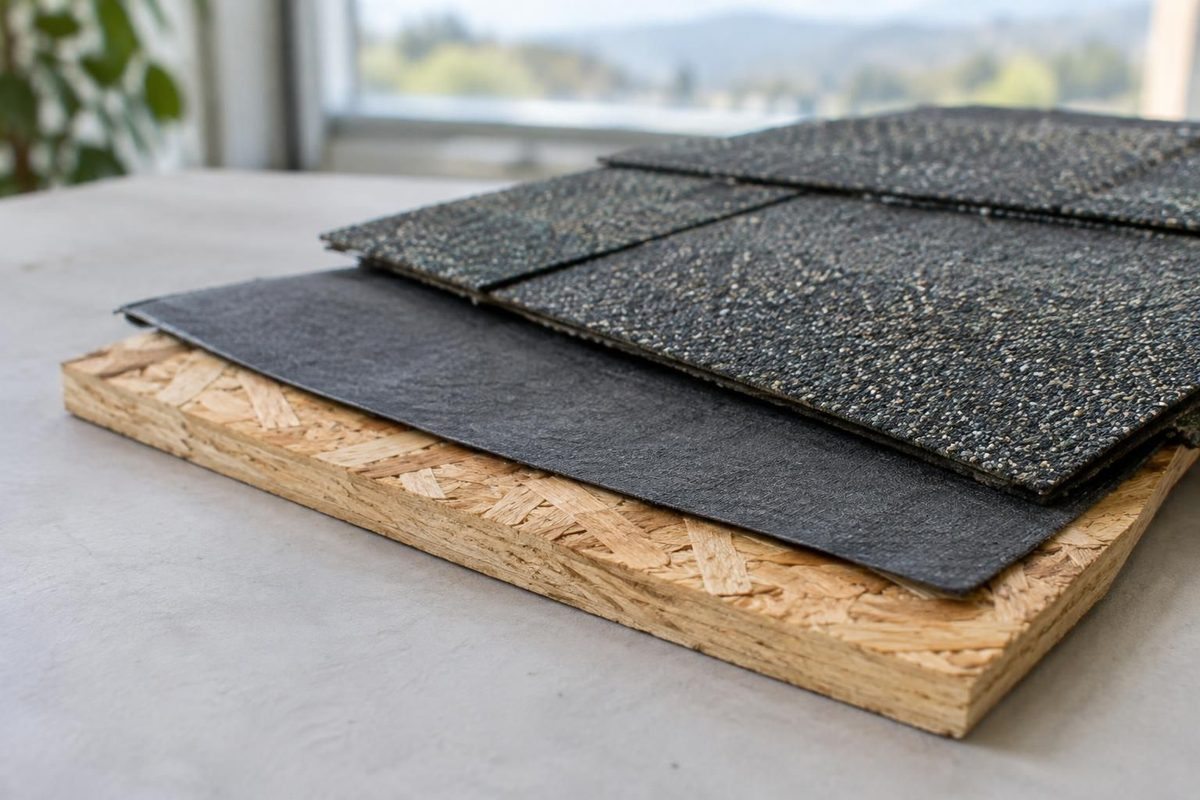
A roof fire classification generally describes how a tested or listed roof assembly performed under specified conditions. It is not a blanket guarantee about every product that resembles a component in that assembly. The covering, underlayment, roof deck and installation arrangement can all matter, as can the scope of the test or listing.
That distinction is useful when a proposal says a product is “fire-rated.” Ask whether the claim refers to a particular roofing material or to the complete assembly, and request documentation identifying what was evaluated. A product name by itself may not establish that a different combination of layers carries the same classification.
Separate fire performance from broader safety claims
A fire classification does not mean a roof is fireproof, nor does it answer every question about a building’s fire safety. Ratings have defined meanings and conditions; they should not be stretched into promises about how a roof will perform in every real-world event.
Roof performance also depends on the complete installation and the condition of the roof. For example, a specified covering installed over a different deck or underlayment may not match the tested assembly. A qualified roofer can explain the proposed materials and provide the documents needed to check the claim, but should not describe an assembly as invulnerable.
Identify the exact materials and layers in the proposal
Before comparing options, ask for the assembly to be described in enough detail to distinguish it from another system: the roof covering, underlayment, deck assumptions and any other layers relevant to the stated classification. Ask whether the documentation identifies the installation method and compatible components. Manufacturer instructions are part of the discussion, not an optional detail.
This is particularly important when replacing an existing roof. The roof’s current condition, existing layers and any proposed changes may affect what can be installed or what documentation applies. A roofer should explain what is known, what still needs assessment and whether the proposed assembly matches the cited evidence. Do not infer a rating from appearance or a sample alone.
Verify local requirements rather than relying on a sales phrase
Requirements can depend on the project and location, and they may change. A homeowner in San Rafael should ask which requirements apply to the specific work and confirm them with the local building department or an appropriate qualified professional. Do not assume that a product description or a general statement about Northern California settles the question.
If a proposal cites a rating or compliance requirement, ask for its exact name and supporting documentation. The contractor should be able to explain how the cited assembly relates to the materials being proposed. Where the answer is uncertain, clarify who will verify it and before which project decision.
Compare proposals on documented scope, not adjectives
When two options use phrases such as “fire-rated” or “fire resistant,” compare the documentation and assembly details rather than treating those phrases as equivalent. Ask each contractor to identify the classification claimed, the evidence behind it and any assumptions about the deck or existing roof. A difference in scope may be more important than a difference in product branding.
For a small repair, the relevant question may be whether replacement materials can be matched appropriately and installed within the existing assembly—not whether the whole roof should be replaced. If the roof’s condition or layers are unclear, further assessment may be more useful than selecting a system based on a rating claim alone. The appropriate scope depends on what the roof actually needs.
Keep the verification record with your roof documents
Save the proposal, product information, assembly documentation and written answers about applicable requirements. If the project changes after work begins, ask whether the revised materials or details affect the original classification claim. A change should be explained before you assume the same documentation still applies.
The record can also help future owners or property managers understand what was installed. It does not substitute for an inspection or prove that a roof was installed correctly, but it makes the basis for a rating claim easier to review later.
Questions to ask about a roof’s fire rating
- Which exact roof assembly is being discussed, including roof covering, underlayment, deck and other relevant layers?
- What test, listing or documentation supports the stated classification, and does it apply to this exact assembly?
- Are the proposed materials and installation details consistent with the documentation and manufacturer instructions?
- Could existing layers, roof condition or planned changes affect whether the classification applies?
- Which local requirements should be confirmed with the building department or a qualified professional?
- Can the contractor provide the relevant product and assembly documents for your records?
Questions about this approach
Does a fire-rated roof product mean the whole roof has that rating?
Not necessarily. A rating usually applies to a defined test or listing and its specified conditions. Ask for the documentation and check whether it covers the exact materials and configuration being proposed.
Does a roof fire rating mean the roof is fireproof?
No. Fire classifications do not mean a roof is fireproof or guarantee its performance in every fire. They describe performance under defined conditions, so avoid interpreting them as an absolute safety promise.
Who can confirm which fire-rating requirements apply to my project?
Ask the contractor to identify the applicable requirement and supporting assembly documentation, then confirm the requirement with the local building department or a qualified professional. The answer can depend on the project and location.
For help applying this approach, explore our roofing services and materials.
Talk with Able Roofing about your roof
Share the symptoms, property details and questions you want answered. Request a roofing estimate, email jon@ableroofing.biz, or call (415) 786-7308.